← All issues
published
73 articles
2026-03-29
Neuroscience
Your Brain Sent A Chemical To Build Itself Before You Even Had A Brain
Journal of Neuroscience · 2026-03-21
Before you had a brain, your body had to build one. It starts as a flat sheet of cells — like a piece of paper — that has to fold itself into a tube, which eventually becomes your brain and spinal cord. Scientists studying frog embryos found that during this folding, cells release glutamate — a chemical your brain uses to send messages — even though there is no brain yet to send messages with. When they blocked the protein in charge of releasing that glutamate, the tube never finished folding, and the cells just kept multiplying instead of doing their actual job.
The takeaway
Your brain used its own messaging system to build itself before it existed.
Read the paper ↗
Neuroscience
Your Brain Has Been Deciding Whether To Huddle This Whole Time
Nature Neuroscience · 2026-03-21
When mice get cold, they huddle together. Scientists already knew that. What they did not know — until now — is that a specific part of the brain, called the prefrontal cortex, is the one making the huddle decision. It is basically the part that says "yes, go squish against the others." When researchers switched that part off in some mice, the other mice in the group noticed and moved in closer to compensate, like when your teammate stops running and you have to cover for them.
The takeaway
Your brain has been filing group-hug paperwork on your behalf without once asking for your signature.
Read the paper ↗
Neuroscience
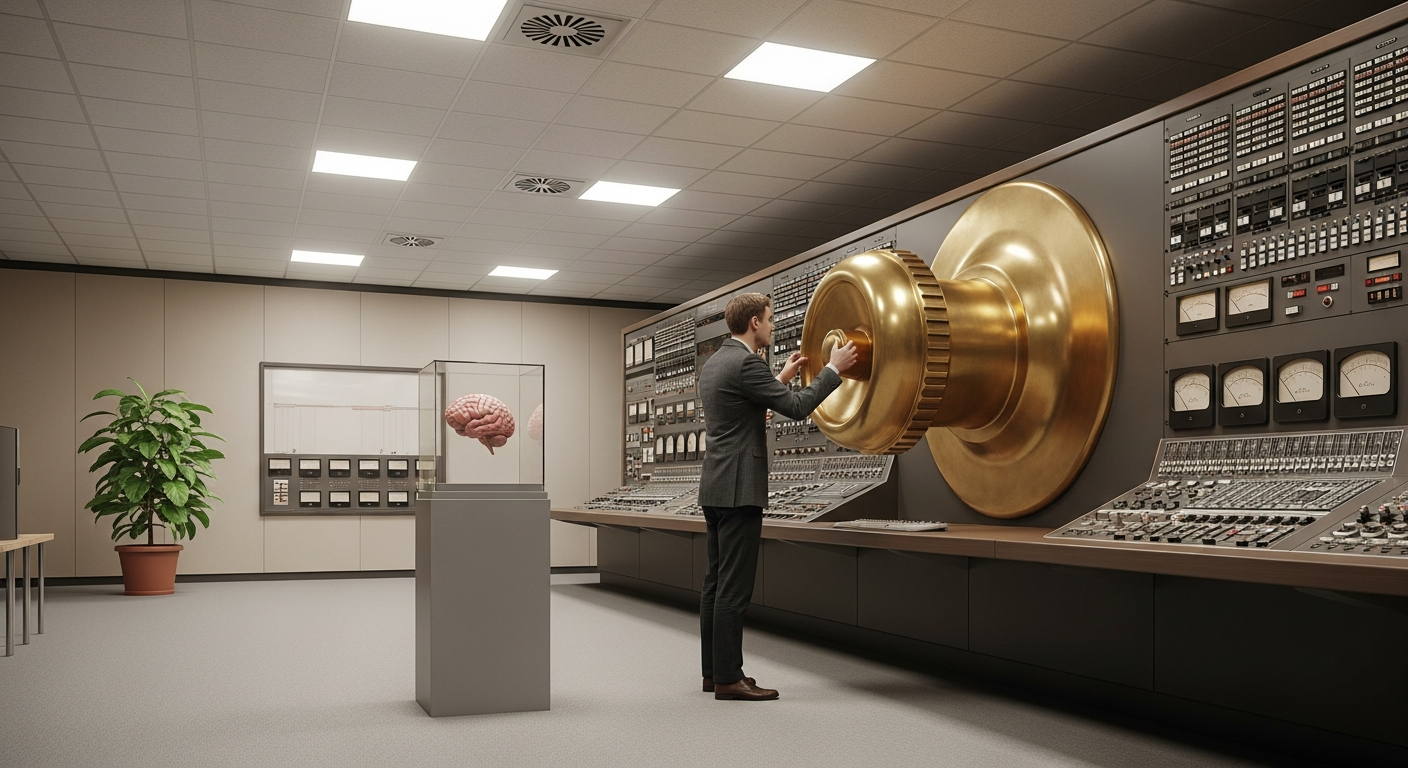
Your Brain's Seizure Setting Has An Off Switch And Scientists Just Found It
Journal of Neuroscience · 2026-03-21
Your brain runs on electrical signals — tiny zaps that neurons use to talk to each other, like a group chat that never stops. In epilepsy, that group chat goes completely haywire and everyone starts yelling at once, which is what a seizure is. Scientists injected mice with something called Ant-134, which blocks a tiny piece of genetic code called microRNA-134, and the yelling got significantly quieter. The neurons in the hippocampus — the part of your brain that handles memory and is apparently also in charge of causing a lot of trouble — fired less, sent fewer excitatory signals, and stopped overreacting to stimulation from other neurons nearby.
The takeaway
Your brain has been running a hyperactive group chat your whole life and scientists just found the mute button.
Read the paper ↗
Biology
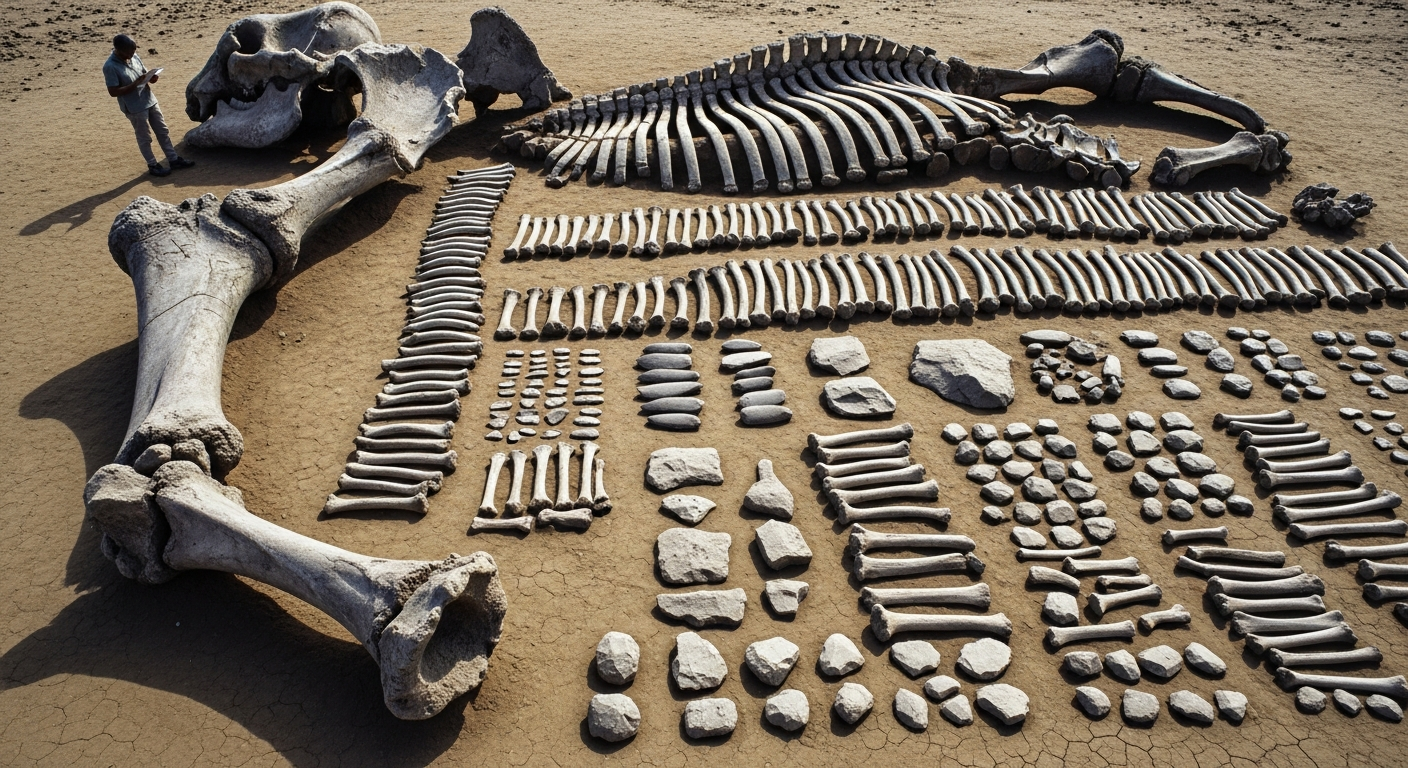
Your Ancestors Were Hunting Elephants On Purpose 1.8 Million Years Ago
eLife · 2026-03-18
Scientists digging in Tanzania found cut marks on elephant bones from 1.8 million years ago — the oldest direct evidence that early humans were butchering elephants, not just stumbling across dead ones. This wasn't a one-time thing either. After 1.8 million years ago, elephant butchery sites start showing up more and more, and the campsites around them get bigger and more complicated. Researchers confirmed this was a planned strategy — your ancient relatives were deliberately going after the largest animals on Earth, not just eating whatever they tripped over. No group of humans alive today does this regularly. Your ancestors were doing something that nobody does anymore.
The takeaway
Your great-great-great-great-(keep going)-grandparents hunted elephants on purpose, and then apparently stopped, and no one has done it since.
Read the paper ↗
Biology
Cell Biology
Your Heart Cells Have Been Accidentally Texting Your Immune System This Whole Time
Biorxiv · 2026-03-25
Inside your heart cells, there is a wall called the nuclear envelope — it keeps your DNA locked safely inside, like a vault. In some people, a broken gene called LMNA makes that wall crack open. When it cracks, loose DNA spills out into the rest of the cell, and your body does what it always does when it finds random DNA floating around where it should not be: it calls the immune system. Scientists confirmed that this accidental alarm — heart cell breaks, DNA escapes, immune system shows up extremely mad — is what causes a serious heart disease called LMNA-DCM. When they blocked the thing that cracks the wall in the first place, the alarm stopped, the heart worked better, and the mice lived longer.
The takeaway
Your body has a system for detecting escaped DNA, and your heart cells have been setting it off by accident.
Read the paper ↗
Medicine & Health
Your Body's Broken Cancer Blocker Has A Secret Pocket Scientists Just Found
Nature Medicine · 2026-03-25
Inside your cells, there is a protein called p53 whose whole job is to stop tumors from growing — basically the hall monitor of your DNA. In some cancers, p53 breaks in a very specific way: one tiny piece of it folds wrong, and it stops doing its job. Scientists found that this broken version has a small pocket in it that the normal version does not have. They made a molecule called rezatapopt — small enough to fit inside that pocket — and when it locks in, the broken p53 starts working again. A first-round clinical trial in humans confirmed this actually happens inside a real person's body, not just in a lab dish.
The takeaway
Your cells have a built-in tumor blocker that can be rebooted with something smaller than a grain of sand.
Read the paper ↗
Astronomy & Astrophysics
The Universe Has Been Refilling Its Gas Tank Every Few Billion Years Without Telling Anyone
Nature Astronomy · 2026-03-15
Scientists measured a giant cloud of gas floating across the entire universe — not just one corner of it, but all of it — going back 12 billion years. This gas is the stuff galaxies use to make new stars, like ingredients in a recipe that never runs out. Every time the gas gets used up making stars, more shows up. Nobody asked it to. It just does.
The takeaway
The universe has been quietly restocking its own shelves for 12 billion years and did not file a single report about it.
Read the paper ↗
Astronomy & Astrophysics
A Rock From Space Had All The Ingredients For Life Inside It This Whole Time
Nature Astronomy · 2026-03-17
Scientists cracked open a piece of an asteroid called Ryugu — a rock that has been floating in space for billions of years — and found all five nucleobases inside it. Nucleobases are the building blocks that make up DNA and RNA, the instruction manuals your cells use to build you. Every single one was in there. The asteroid had been carrying the starter pack for life across the solar system without telling anyone.
The takeaway
A rock from space had the ingredients for life in its pockets the whole time.
Read the paper ↗
Climate & Earth Sciences
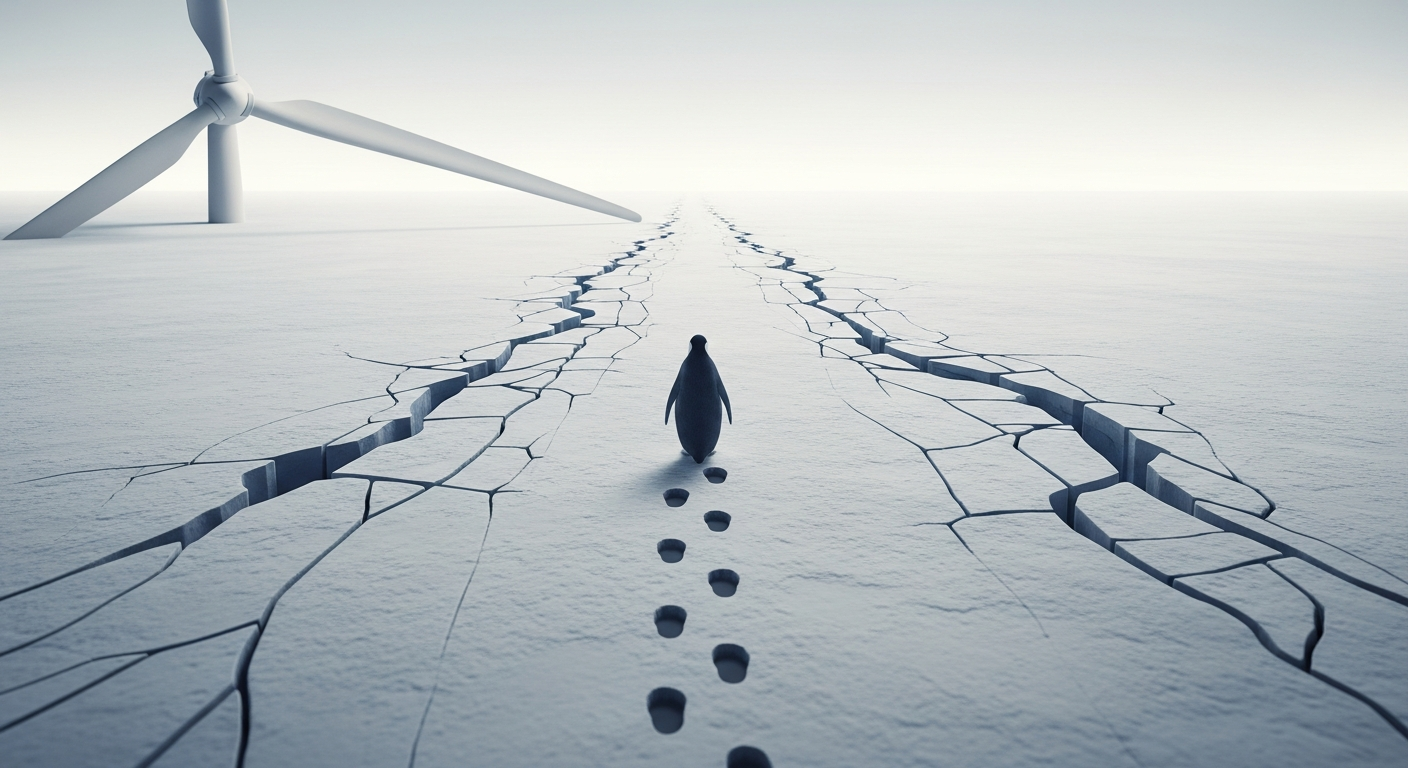
The Ocean Hid Warm Water Under Antarctica's Ice For Years, Then The Wind Snitched
Nature Climate Change · 2026-03-21
Antarctic sea ice — the giant frozen sheet sitting on top of the ocean near the South Pole — shrank a lot between 2015 and 2017. Scientists went back through ocean and weather records to figure out why. What they found is that a layer of cold water called Winter Water, which normally acts like a lid keeping warm deep water away from the ice, had been getting thinner for about ten years before anything happened. Then strong winds showed up and pushed that warm deep water all the way up to the bottom of the ice, and the ice melted.
The takeaway
The ocean spent a decade quietly setting up the trap before the wind pulled the lever.
Read the paper ↗
Neuroscience
The Fear Part Of Your Brain Has Been Outsourcing Its Work This Whole Time
Neuron · 2026-07-12
Your brain has a section called the basolateral amygdala — it's basically the department in charge of anxiety. Scientists already knew that. What they just figured out is that the neurons in there are not doing the anxiety alone. A completely different type of cell, called astrocytes — the support staff your brain keeps around to do the boring maintenance jobs — have been tracking your anxiety levels and actually causing them. Researchers watched these cells light up in real time while animals went through stressful situations, then turned the cells off using genetic tools, and the anxiety went down. The astrocytes were running the operation the whole time using a chemical messenger system called noradrenergic signaling — which is a long way of saying your stress response has a second crew nobody told you about.
The takeaway
The cells your brain hired to do the cleaning have been running the anxiety department without telling anyone.
Read the paper ↗
Biology
Scientists Put Bacteria Inside Tumors And The Bacteria Started Making Gas
Nature Biotechnology · 2026-03-21
Tumors — the lumps that grow in your body when cells stop following the rules — are very good at hiding from your immune system. Scientists engineered E. coli, a type of bacteria that normally lives in your gut, to pump out a gas called nitric oxide directly inside tumors. The gas messes with the tumor's defenses and makes it easier for a special cancer treatment called anti-PD-L1 to find and attack it. The bacteria basically break into the tumor and leave the door unlocked for the immune system to walk through.
The takeaway
Your immune system needed a bacteria to hold the door open for it.
Read the paper ↗
Physics
Your Pencil Has Been Doing Quantum Physics The Whole Time
Nature Physics · 2026-03-16
Scientists took a piece of graphene — the stuff inside pencils — twisted three layers of it at a very specific angle, and then measured how electricity moved through it in different directions. When they did this, three extremely weird things showed up at the same time: the material started conducting electricity in a lopsided way (nematicity — when something works differently depending on which direction you poke it), it became a superconductor (meaning electricity flowed through with zero resistance, like a hallway with no friction), and it also became a "strange metal," which is a real scientific category for metals that behave in ways that do not follow the normal rules. Scientists used angle-resolved transport measurements — basically rotating the material and watching how electricity changed — to figure out how all three weird things are connected to each other.
The takeaway
The graphite in your pencil, twisted three times at exactly the right angle, breaks several rules of physics simultaneously.
Read the paper ↗
Physics
Scientists Can Now Watch Electrons Move Using A Laser That Fires For One Millionth Of A Billionth Of A Second
Nature Physics · 2026-03-15
You know how when you throw two rocks into a pond, the ripples crash into each other and make a pattern? Scientists did that exact thing — but with X-ray lasers, and instead of a pond, it was a material, and instead of ripples, it was light waves moving at the speed of light. The lasers they used fire in pulses so short they make a blink look like a geological era. By crossing those X-ray beams, researchers built a tool that can watch electrons — the tiny charged particles zipping around inside every single atom in your body — actually move around in real time, at the scale of individual atoms.
The takeaway
Your electrons have been doing things this whole time and scientists only just got a camera fast enough to catch them.
Read the paper ↗
Physics
Scientists Accidentally Made A Particle Forget It Had Weight
Nature Physics · 2026-03-16
In physics, there is a particle called an exciton — basically two smaller particles stuck together, like when two kids get their shoelaces tied in a knot at recess. It has mass, meaning it acts heavy and slow, the way a backpack full of textbooks does. But scientists put excitons inside an extremely thin, two-dimensional material — a material so flat it is basically just a drawing of a material — and shone light on them. The excitons stopped having mass. They started moving like light instead, which is not something particles with mass are supposed to do.
The takeaway
Your entire understanding of what counts as a "heavy" particle has been quietly incorrect this whole time.
Read the paper ↗
Physics
Your Quantum Material Has Been Hiding Something And Scientists Just Caught It
Nature Physics · 2026-03-25
Scientists found that if you poke a special crystal called a kagome superconductor — a material that conducts electricity with zero resistance — with a tiny magnetic defect, the crystal panics and reveals a secret. The secret is a hidden "chiral current state," which means electricity was quietly swirling around in circles inside the material the whole time, saying nothing about it. This swirling current is also tangled up with something called a charge density wave — basically a pattern of bunched-up electrons frozen into the crystal like a very organized traffic jam. The defect did not create any of this. It just showed up and blew the cover.
The takeaway
The crystal had a secret current running inside it the whole time and it took a defect to get it to confess.
Read the paper ↗
Chemistry
Your Solar Panel Has Been Moving Electrons The Wrong Distance This Whole Time
Nature Chemistry · 2026-03-25
When sunlight hits a solar panel, tiny particles called electrons — the little charged bits that make electricity — have to jump across a gap between two materials. Scientists just figured out that how far those electrons jump is controlled by something called the "driving force," which is basically how hard the materials are pushing the electrons across. The harder the push, the farther they go. This sounds fine, except it means solar panels have been underperforming for years because nobody knew the push and the distance were connected. The fix, it turns out, is changing something called the dielectric constant — a number that describes how well a material can spread out electric charge — and making it bigger.
The takeaway
Your solar panel's electrons have been jumping the wrong distance, and a single number is responsible.
Read the paper ↗
Chemistry
Your Cells Have Been Speaking A Secret Language And Scientists Just Added Five New Words
Nature Chemistry · 2026-03-21
Your cells build every single protein in your body using instructions written in a code made of three-letter words called codons — like a recipe written in a language only your cells can read. Some of those words barely ever get used, just sitting there like the kid in class who never raises their hand. Scientists figured out how to hijack those quiet, rarely-used codons in mammalian cells — cells like yours — and reassign them to carry five completely new, non-natural amino acids, the building blocks proteins are made from, all at the same time, inside one single protein. Before this, the main way to do this kind of thing involved borrowing the codons that tell a cell to stop building — which caused problems, like trying to use a stop sign as a road sign. The rare codon method avoids that whole mess.
The takeaway
Your cells have had unused instruction slots this whole time and no one told you.
Read the paper ↗
Chemistry
Biochemistry
Your Cells Have a Molecule That Squishes Itself to Slow Down on Purpose
Biorxiv · 2026-03-20
Inside every one of your cells, there is an enzyme — a tiny machine called ATCase — whose whole job is to help build the chemical building blocks your cells need to copy DNA. Scientists used to think this machine switched between two settings: on and off. It does not. It turns out ATCase is more like a balloon that is constantly being squeezed or stretched by other molecules, and that squishing and stretching is exactly how it decides how fast to work. When your cell has too many pyrimidines — one type of building block — those molecules grab the balloon and compress it, which slows production down. When the other type of building block, purines, starts running low, a different set of molecules stretches the balloon back out and speeds things up again.
The takeaway
Your cells have been running a balloon-squishing supply chain operation this whole time without telling you.
Read the paper ↗
Astronomy & Astrophysics
A Star Has Been Holding Onto Ancient Exploded Star Guts For 13 Billion Years
Nature Astronomy · 2026-03-16
Scientists found a star sitting in a tiny, ancient dwarf galaxy — a galaxy so small and old it's basically a fossil — and that star has been quietly storing the leftovers from the very first stars that ever exploded. The first stars blew up in low-energy explosions, and instead of making the heavy stuff like iron, they mostly made carbon. A lot of carbon. This one star caught all of it and held onto it for billions of years without doing anything about it. Scientists used a technique called stellar spectroscopy — basically shining light through the star and reading what it's made of, like checking the ingredients list on a snack — to figure out what was inside.
The takeaway
A star has been carrying ancient explosion leftovers in its body since before the Earth existed, and it didn't even tell anyone.
Read the paper ↗
Climate & Earth Sciences
The Dirt Got Warm, Got Thirsty, And Started Leaking Carbon Everywhere
Nature Climate Change · 2026-03-15
Soil — the stuff under the grass you walk on — stores a massive amount of carbon, kind of like how your backpack holds everything you forgot to take out since September. Scientists found that when the ground gets warmer AND drier at the same time, it loses that carbon faster than if it just got warm on its own. Drought, it turns out, makes the whole situation worse. The soil was already dealing with the heat, and then the rain stopped showing up too.
The takeaway
The dirt got warm, got thirsty, and started losing its carbon. It did not ask for any of this.
Read the paper ↗
Climate & Earth Sciences
The Dirt Got Confused By The Weather And Now It's Releasing Carbon
Nature Climate Change · 2026-03-15
Scientists ran a ten-year experiment on soil to figure out why warming sometimes makes dirt release carbon and sometimes doesn't. Turns out, it depends on whether the soil is wet or dry. Wet soil plus warming actually stores more carbon — like your backpack getting heavier. But dry soil plus warming loses carbon, which goes straight into the atmosphere. The tiny microbes — microscopic living things smaller than anything you can see — living in the soil are the ones making this call, and they've been doing it the whole time without filing a report.
The takeaway
Your soil has a mood, and drought puts it in the bad one.
Read the paper ↗
Neuroscience
Your Brain Files Reward Memories Completely Differently Depending On How Old You Are
Journal of Neuroscience · 2026-03-21
Scientists scanned the brains of kids, teenagers, and adults aged 8 to 25 while they were remembering things that came with rewards. They found that a part of your brain called the hippocampus — the section that stores memories, like a filing cabinet that also somehow loses things — handles reward memories in totally opposite ways depending on your age. In adults, the memory sticks better when the brain's filing system stays the same from when you first learned something to when you try to remember it later. In younger kids, the memory actually gets better when the filing system drifts and changes over time. A separate reward area deep in the brain, the ventral tegmental area — basically the part that releases the "nice, you got a thing" signal — was found to push the filing system toward drifting.
The takeaway
Your brain has been filing your best memories in the wrong folder on purpose, and it will switch folders again when you turn into an adult.
Read the paper ↗
Biology
Your Brain Uses Completely Different Buttons Depending On How You Wake Up
PLOS Biology · 2026-03-19
Scientists scanned the brains of mice to find out which parts switch on when they wake up. Turns out, waking up on your own and waking up because of a drug are not the same thing at all — different brain regions light up each time, like two totally different apps running on the same device. Some brain parts that nobody suspected were doing anything important turned out to be very busy. Meanwhile, the classic "wake-up" neurons that scientists had been studying for years — the ones everyone assumed were in charge — were barely doing anything.
The takeaway
Your brain has been running wake-up programs nobody knew existed, and the ones scientists trusted most were mostly just standing there.
Read the paper ↗
Medicine & Health
Scientists Made A New Diabetes Pill That Works Better And Also Worse
The Lancet · 2026-03-21
Your body has a system for controlling sugar in your blood — and when it stops working properly, doctors give you medicine to help. Scientists just tested a new pill called orforglipron against an older pill called semaglutide in a giant study with people from all over the world. The new pill was actually better at lowering the thing doctors measure to check blood sugar levels. It also gave more people stomach problems, made more people quit taking it because of side effects, and made their hearts beat faster.
The takeaway
The new pill won the test and also came with more side effects, which is a very normal thing to report with a straight face.
Read the paper ↗
Medicine & Health
Doctors Spent Ten Years Watching People To Confirm Watching Was Fine
NEJM · 2026-03-26
Your heart has a valve — a little door that opens and closes every time your heart beats to keep blood moving the right way. In some people, that door gets stiff and stops opening all the way. This is called aortic stenosis. For years, doctors argued about whether to operate immediately or just... watch and wait. So they ran a proper experiment, with real patients, for ten years. At the end of the ten years, both groups — the ones who got surgery right away and the ones who just got watched — turned out about the same.
The takeaway
A decade of careful watching confirmed that watching carefully is the same as doing something about it.
Read the paper ↗
Medicine & Health
Your Cancer Treatment Has Been Getting A Two-Drug Combo This Whole Time
NEJM · 2026-03-17
Scientists ran a clinical trial — a big official test with real patients — to see what happens when you take two cancer-fighting drugs and use them together, before and after surgery. One drug is called an antibody-drug conjugate, which is basically a guided missile that finds cancer cells and delivers poison directly to them. The other drug is a checkpoint inhibitor, which tells your immune system — the part of your body in charge of fighting things — to stop being so polite and actually attack the cancer. Together, they were used as perioperative therapy, which means the treatment happens around the time of surgery, not just during it.
The takeaway
Your immune system needed a note from two different drugs before it would do anything about it.
Read the paper ↗
Medicine & Health
The Alzheimer's Blood Test Has Been Moonlighting In A Completely Different Disease
Nature Medicine · 2026-03-21
Your blood contains a protein called p-tau — short for phosphorylated tau — and doctors already use it to help diagnose Alzheimer's disease. When there is too much of it floating around in your blood, that is a sign something is going wrong in the brain. A new study looked at a totally different group of diseases called systemic amyloidoses — where a different kind of bad protein builds up and clogs organs like the heart and nerves — and found that p-tau levels were unusually high there too. It turns out the same blood test that flags Alzheimer's can also tell doctors whether damaged nerves are being caused by amyloidosis or something else entirely.
The takeaway
Your blood has been carrying a two-for-one diagnostic tool this whole time and nobody told the doctors until now.
Read the paper ↗
Physics
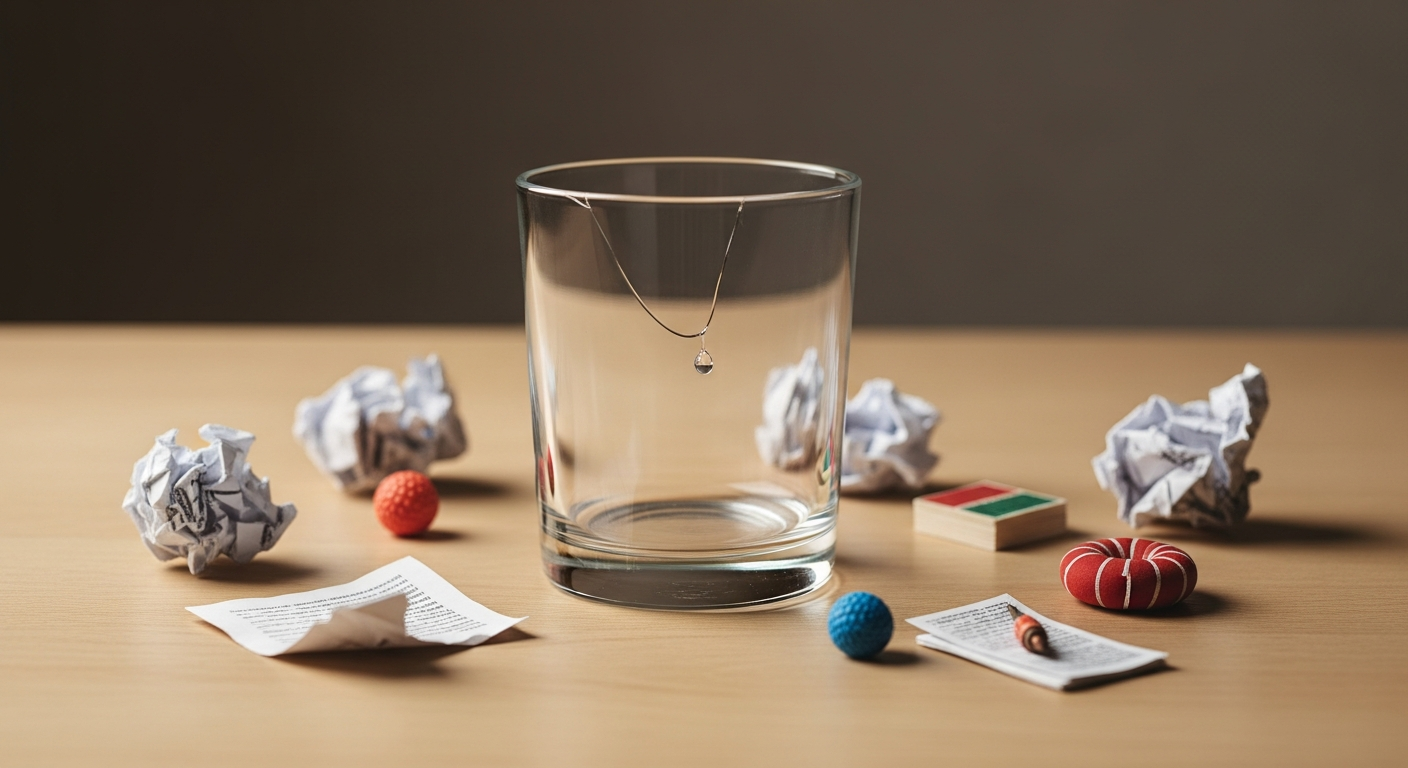
Your Stuff Has Been Secretly Counting How Many Times You've Stressed It Out
Nature Physics · 2026-03-15
Scientists figured out why everyday objects — glasses, phone screens, that one mug — eventually just crack and give up. It turns out the damage doesn't happen all at once. It builds up in tiny broken spots that slowly connect to each other, like a chain of falling dominoes, until the whole thing fails. This process is called percolation — where small damage patches link up into one big catastrophic crack. The weird part: scientists can predict when something is going to break by measuring how much energy it wastes on the very first few stress cycles, long before anything looks wrong.
The takeaway
Your stuff has been quietly tallying damage since the first time you used it.
Read the paper ↗
Physics
Scientists Built A Light Comb You Can Control With Your Microwave
Nature Physics · 2026-03-15
Inside a chip smaller than your fingernail, scientists made something called a frequency comb — which is not a comb and does not go in your hair, but is actually a beam of light split into hundreds of perfectly spaced colors, like a ruler made of rainbows. For a long time, nobody really understood how these things worked on the inside, so scientists studied all the different states the comb could be in, the same way you might map out every possible way a game of chess could go. It turns out you can switch the comb between those states by sending it microwave signals — the same kind of signal your actual microwave uses, just pointed at light instead of leftovers. The chip is made of something called lithium niobate, which sounds like a Minecraft ore and is, in fact, extremely useful.
The takeaway
A chip you cannot see is now taking orders from microwave signals and making programmable rainbows.
Read the paper ↗
Physics

Scientists Built A Tiny Quantum Pinball Machine That Skips The Middle Squares
Nature Physics · 2026-03-17
In regular physics, particles called bosons move through a system one step at a time, like passing a note down a row of desks. Scientists have now used special particles called dipolar excitons — think of them as tiny magnets that also carry light — to build a simulator where bosons can skip over their neighbors and hop to further spots directly. This is called long-range hopping, and it changes how the whole system behaves. The simulator runs on real quantum physics happening in a lab, not on a computer.
The takeaway
Particles have been skipping turns this whole time and nobody told the other particles.
Read the paper ↗
Physics
Your Crystals Have Been Moving Their Walls Around Without Telling You
Nature Physics · 2026-03-15
Metals and other solid materials are made of tiny crystal grains — think of them like a mosaic of tiles, each one a neat grid of atoms lined up in a slightly different direction. Where two grains meet, there is a boundary, and that boundary moves. Scientists have now built a framework — basically a rulebook — that uses geometry, the math of shapes, to predict exactly how individual particles and dislocations (tiny cracks in the grid, like a row of Minecraft blocks placed one step off) move when that boundary migrates. The framework was tested in two-dimensional colloidal systems, which are flat sheets of tiny particles that you can actually watch under a microscope.
The takeaway
Your solid objects have internal walls that are constantly relocating, and geometry was running the whole operation the entire time.
Read the paper ↗
Physics
Scientists Found A Glitch In The Universe And Made It Do Something Useful
Nature Physics · 2026-03-21
You know how in a video game, right before something breaks or switches states, everything gets weird and unstable? Scientists found a spot like that in a quantum device — a moment called a "bistable transition point," where the system can't decide which of two states it wants to be in. It turns out that right at that wobbly, can't-make-up-its-mind moment, the device becomes extremely good at detecting tiny changes. Researchers built a hybrid quantum system — a machine that mixes different types of quantum parts together — and ran it right on the edge of that breaking point on purpose.
The takeaway
Your quantum sensor works best when it is one step away from completely falling apart.
Read the paper ↗
Physics
Your Computer Has Been Doing Math Wrong This Whole Time, Scientists Fix It
Nature Physics · 2026-03-15
Normal computers solve problems by running steps in order, like doing homework one question at a time. Quantum computers can do something weirder: scientists just built one that solves problems by taking measurements on a special tangled-up blob of quantum stuff called a cluster state — and the measurements themselves do the math. They got it working on a real machine made of superconducting processors, which are chips so cold they make a freezer look like a pizza oven. The whole thing runs the algorithm without ever directly telling the computer what to do.
The takeaway
Your calculator uses buttons. This one uses staring at quantum blobs until the answer falls out.
Read the paper ↗
Physics
Your Metal Has Been Acting Strange For Reasons Scientists Just Figured Out
Nature Physics · 2026-03-17
Some metals conduct electricity in a way that makes no sense. Not "hard to explain" no sense — "all the physicists are stumped" no sense. Scientists have been staring at this problem for a long time. Now, researchers looking at a special type of metal with a kagome structure — a repeating pattern that looks like a Star of David made of triangles — found that the electrons inside it get squished into tiny, trapped orbitals because waves of energy cancel each other out, like two people pushing a swing in opposite directions at exactly the wrong moment. Those squished electrons then cause the metal to behave in a way that breaks the normal rules.
The takeaway
The metal is weird because its electrons are stuck in a corner they accidentally built for themselves.
Read the paper ↗
Chemistry
Scientists Built A Chain Of Carbon So Long It Broke The Previous Record By 10 Times
Nature Chemistry · 2026-03-16
There is a way to build tiny chains out of carbon rings, like snapping together the world's smallest LEGO. The old method — called Ullmann coupling — worked fine, but it always got stuck after about 100 nanometres, which is extremely short even by atom standards. Scientists figured out a different method, called ring-opening polymerization, that builds the chain one link at a time instead of gluing random pieces together. The new chains come out in the micrometre range — ten times longer — and can be used to grow a special type of carbon ribbon that doesn't follow the normal rules for how carbon atoms arrange themselves.
The takeaway
Your pencil is full of carbon and scientists are still figuring out what shapes it can make.
Read the paper ↗
Chemistry
Your Carbon Dioxide Has Been Waiting For A Tiny Metal Cluster To Turn It Into Something Useful
Nature Chemistry · 2026-03-25
Scientists built extremely small clusters of metal atoms — so small that the exact position of every single atom is known — and used them to turn CO2, the gas you breathe out, into methanol, which is a fuel. Normally this reaction needs a lot of heat to work, like a pizza oven that never turns off. These clusters did it at low temperatures, which is the chemistry equivalent of cooking a full meal on a nightlight. The clusters were locked inside a framework, like a bug in a display case, so scientists could actually see what was doing the work and why.
The takeaway
A cage full of metal atoms the size of nothing just turned waste gas into fuel at a temperature your leftovers could survive.
Read the paper ↗
Chemistry
Biochemistry
Your Body Has Been Downgrading Its Own Engine Without Telling You
Biorxiv · 2026-03-19
Scientists took muscle samples from healthy people who sit around a lot and discovered their mitochondria — the tiny power stations inside every cell — had quietly stopped working at full power. The part that feeds fuel into the engine, called MPC1, was running at about half capacity in sedentary people compared to active ones. This means less energy gets made, less fat gets burned, and during exercise, the body floods with lactate — a waste product that builds up when the engine can't keep up — at over 60% higher levels. None of these people felt sick. Their bodies had just silently switched to a worse version of themselves.
The takeaway
Your mitochondria already downgraded your engine and did not send a notification.
Read the paper ↗
Chemistry
Your Body's Antiviral Toolkit Is Missing A Piece, And Scientists Just Built It
Nature Chemistry · 2026-03-15
There is a type of molecule called a sulfinamide — say it: sul-FIN-a-mide — and your body cannot make it on its own. Scientists can make it in a lab, but for a long time they could only make the boring, symmetrical version. The useful version is chiral — meaning it only works if it's built facing one specific direction, like how your left shoe does not go on your right foot. Now, a team of chemists has figured out how to build the correct-facing version every time, using a special catalyst — a helper molecule that makes the reaction happen — that runs on phosphine and does not immediately explode when it touches air, which was apparently a previous problem. The resulting molecules have already shown early signs of being useful against viruses.
The takeaway
Scientists spent real time solving the shoe-on-the-wrong-foot problem for molecules, and it worked.
Read the paper ↗
Chemistry
Your Glow Stick Has A Limit And Scientists Just Found It
Nature Chemistry · 2026-03-25
Scientists built a chain of tiny dye molecules — the kind that absorb light and glow — and kept adding more links to see what would happen. They got all the way to 14 dye units stacked in a row, which is apparently the longest anyone has done this. Here is the part where it gets weird: somewhere around the fourth or sixth dye unit, the whole chain stops glowing the way it used to and starts doing something else entirely — a thing called a multiexciton state, which is when the chain gets so many units of light-energy loaded into it at once that it basically stops behaving like a normal glowing thing. Your teacher's laser pointer does not have this problem because it is not 14 dye molecules long.
The takeaway
Your glow stops working correctly at around unit six and nobody asked you about it.
Read the paper ↗
Astronomy & Astrophysics
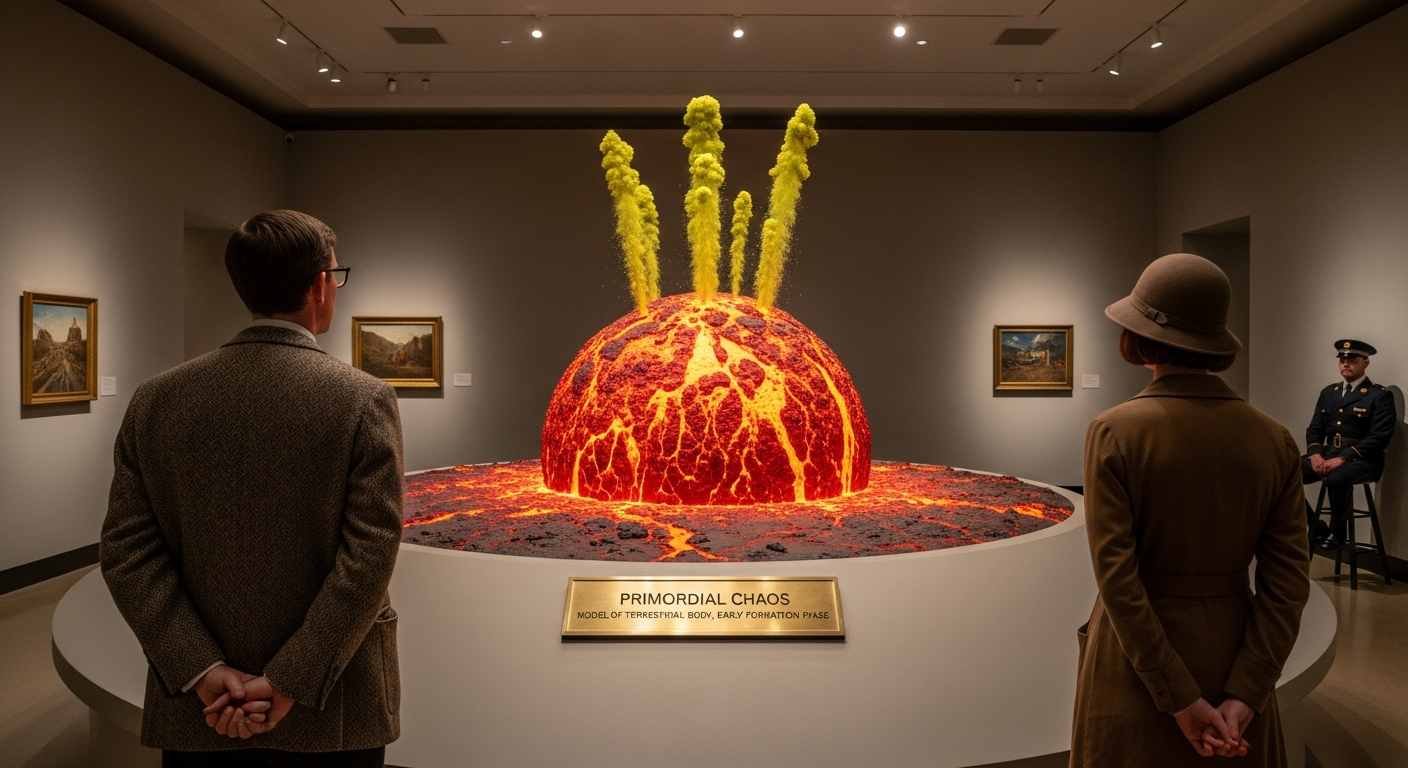
There Is A Planet Covered In Lava That Has Been Burping Sulfur Into Space
Nature Astronomy · 2026-03-16
Scientists used the James Webb Space Telescope to study a planet called L 98-59 d, which is bigger than Earth and completely covered in a permanent magma ocean — meaning the whole surface is melted rock, all the time, forever. That magma ocean has been pumping sulfur gas up into the planet's atmosphere, where sunlight turns it into sulfur dioxide. The planet also used to be bigger, but it shrank because it kept losing its atmosphere and cooling down.
The takeaway
A planet made entirely of lava has been seasoning its own atmosphere this whole time.
Read the paper ↗
Climate & Earth Sciences
Your Car Battery Has Been Quietly Losing The Fight Against The Weather
Nature Climate Change · 2026-03-16
Scientists ran a giant computer simulation across 300 cities to figure out what climate change is doing to electric car batteries. The answer is: slowly winning. Batteries made before 2019 are predicted to lose about 8% of their lifetime just from hotter and weirder weather. Batteries made after 2019 are only losing about 3% — because the new ones are better at not caring that the planet is having a meltdown.
The takeaway
Your old battery was losing to the weather. The new one is losing less. Progress.
Read the paper ↗
Climate & Earth Sciences
Most Food Waste Comes From People Just Not Doing The Right Thing
Nature Climate Change · 2026-03-21
Scientists looked at all the greenhouse gases — the invisible heat-trapping stuff that makes the planet warmer — that come from food being thrown away. They wanted to know if the problem was mostly broken machines and bad equipment, or mostly people making bad choices. It was mostly people making bad choices. Researchers call this "misbehaviour," which is a real scientific term that means exactly what it sounds like. The good news is that bad choices, unlike broken equipment, can be fixed without buying anything.
The takeaway
A significant portion of the planet's climate problem is technically just people not finishing their lunch.
Read the paper ↗
Climate & Earth Sciences
Rich Countries Are Accidentally Sharing Their Climate Homework With Everyone Else
Nature Climate Change · 2026-03-17
When countries make trade deals — agreements about buying and selling stuff across borders — they also end up swapping the technology they use to make that stuff. Scientists ran the numbers and found that this accidental homework-sharing actually cuts down on planet-warming emissions. The problem is that the good technology is not spread out evenly, so countries that already have it are basically the only ones doing the sharing. Researchers used real data and computer simulations — models that run thousands of "what if" scenarios — to figure out how much difference the sharing makes.
The takeaway
The fate of the planet's emissions is partly in the hands of whoever has the best factory equipment right now.
Read the paper ↗
Biology
Your Brain's Synapse Department Has Been Rearranging The Furniture Without Telling You
eLife · 2026-03-18
Inside your brain — and also inside a fly's brain, which scientists apparently spent a long time looking at — there are tiny connection points called synapses. These are the spots where one brain cell passes a message to the next one, like handing a note across the aisle in class. Scientists used a trick involving split pieces of glowing green protein to light up specific synapses in specific types of fly brain cells, one cell type at a time. What they found is that each type of neuron — the message-sending cells — arranges its synapses in its own specific pattern, and that pattern actually shifts around after the fly learns something new.
The takeaway
Your neurons have a preferred furniture layout, and they will quietly redecorate after a test.
Read the paper ↗
Biology
Microbiology
Your Phage Has A Retractable Spike And It Did Not Ask First
Biorxiv · 2026-03-19
Phage 812 is a virus that attacks bacteria, and scientists just figured out exactly how it breaks in. The virus has a baseplate — basically its feet — packed with grabber proteins that latch onto the bacterial wall. When those grabbers lock on, a chain reaction fires through the whole structure: one part tells another part, which tells another part, until the tail — a kind of spring-loaded needle — slams into the bacterium and shoves a tube 10 to 30 nanometers through the wall. The tail sheath, the coiled part that does the slamming, shrinks to half its original length in the process, like a compressed spring that finally lets go.
The takeaway
A virus just solved a locked door problem using a spring, a spike, and a chain reaction your whole immune system did not vote on.
Read the paper ↗
Biology
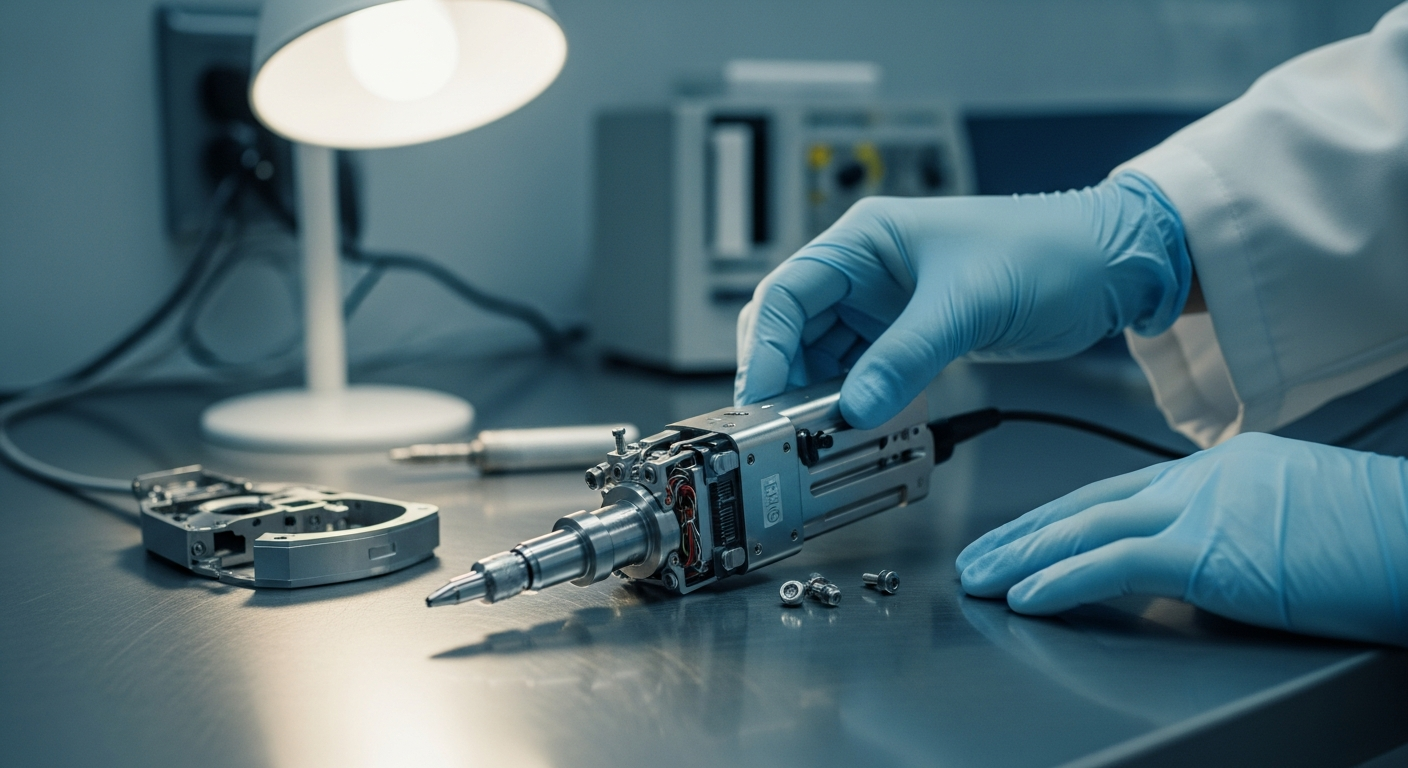
Scientists Made A DNA Editing Tool Less Weird By Putting It Back The Way It Was
Nature Biotechnology · 2026-03-21
Your DNA is like a very long instruction manual for building you — and scientists have tools that can go in and fix typos in it, one letter at a time. The problem is those tools kept making extra edits nobody asked for, like autocorrect changing "its" to "it's" and also somehow deleting three other words. Researchers figured out that the tools had been changed too many times during development, so they ran the whole thing in reverse — undoing old changes until the tool stopped making a mess. The result was a version that edits the right letter and leaves everything else alone.
The takeaway
Scientists fixed their DNA editing tool by un-improving it, which is a sentence that happened.
Read the paper ↗
Biology
Genomics & Genetics
Scientists Fed 28 Spreadsheets Into A Computer And Got A List Of TB Medicines
Biorxiv · 2026-03-20
Tuberculosis — a lung infection that kills over a million people every year — is getting harder to treat because some versions of it no longer care about antibiotics. Scientists decided to try a different move: instead of making new drugs, they looked at drugs that already exist and asked a computer to figure out which ones might accidentally also work against TB. The computer compared 28 different sets of gene data — genes are the tiny instruction manuals inside your cells — and looked for drugs that flip TB's instructions back to normal. It came up with a list of 64 drugs already approved for human use, including cholesterol medicines called statins and a cancer drug called tamoxifen. The computer also found 12 specific genes — including ones called IL-8 and CXCR2 — that might be useful targets if someone wants to build a new drug later.
The takeaway
Your cells have been running the wrong program during TB this whole time, and the fix was already in a pharmacy.
Read the paper ↗
Medicine & Health
Someone's Spare Organs Came With Extra Stuff Inside
NEJM · 2026-03-26
When a person gets an organ transplant, doctors take a working organ — a kidney, a liver, a heart — out of one person and put it inside someone else. This is already a lot. But doctors have now reported that a transplanted organ carried Japanese Encephalitis Virus along with it, delivering the virus directly into the new owner's body. The person receiving the organ did not sign up for this. Their body received the organ and the virus at the same time, like ordering a pizza and getting someone else's homework inside the box.
The takeaway
Your donated organs, it turns out, come pre-loaded with whatever the previous owner had going on.
Read the paper ↗
Medicine & Health
Scientists Build Chest X-Ray Robot That Turns Out To Work Exactly Like No Robot
Nature Medicine · 2026-03-25
When doctors think someone might have lung cancer, they take a picture of their chest — an X-ray — and then wait for a specialist to look at it. Scientists ran a big experiment where an AI, which is basically a very fast computer trained to spot problems, looked at the X-rays first and flagged the important ones to jump the queue. The idea was that the AI would speed everything up. In the actual experiment, with real patients in real UK hospitals, people who got the AI-prioritized X-rays waited just as long for their next scan and their final diagnosis as people who got no AI at all. The queue moved the same amount either way.
The takeaway
The AI did its job. The wait was the same. The bottleneck was somewhere else the whole time.
Read the paper ↗
Medicine & Health
Poorer Regions Are Getting More Air Pollution Deaths And Scientists Have The Spreadsheet To Prove It
Nature Medicine · 2026-03-21
Scientists looked at 653 regions across 31 European countries and found that where you live — and how much money your region has — is connected to how many people die from dirty air. Regions that switched to renewable energy faster had fewer of these deaths. Regions that didn't switch as fast, or that had less money to work with, had more. Your postcode, it turns out, is doing a lot of work behind the scenes.
The takeaway
The air your lungs get has been quietly negotiating with your region's bank account this whole time.
Read the paper ↗
Physics
Scientists Figure Out How To Measure The Weird Quantum Thing With Only One Copy
Nature Physics · 2026-03-15
Quantum entanglement — the thing where two particles are secretly connected even when they're far apart — is really hard to measure. Normally, scientists need a huge stack of identical quantum states, like needing fifty of the same Minecraft world just to check one thing about it. Researchers have now built a way to measure entanglement that only needs a single copy of the quantum state instead of a whole pile of them. This solves a problem that quantum information scientists have been working around for a long time.
The takeaway
Physics needed fifty copies of the same thing to measure it, and now it needs one.
Read the paper ↗
Physics
Scientists Built A Memory Stick That Reads Multiple Answers At The Same Time
Nature Physics · 2026-03-16
Normal computer memory works like a locker room: you pick a locker number, you open that locker, you get the thing inside. Scientists have now built a quantum version where the locker number itself is in two places at once — so the memory opens multiple lockers simultaneously and hands back all the answers stacked on top of each other. This is called superposition, which means the data exists in several states at the same time until you actually look at it. The whole thing runs on a bucket-brigade architecture, which is exactly what it sounds like: information gets passed down a chain, one node at a time, like buckets of water at a fire drill.
The takeaway
Your regular USB stick picks one answer at a time, and scientists have decided that is no longer enough.
Read the paper ↗
Chemistry
Biochemistry

Scientists Find Cheat Code To Make Good Bacteria Win Faster
Biorxiv · 2026-03-23
Inside every microbe — a living thing too small to see — there are two jobs happening at once: keeping itself alive, and making weapons to fight other microbes. Scientists figured out that the weapons are actually built from the same ingredients as the survival stuff. They looked at a specific weapon called a siderophore — a tiny grabber that steals iron, which microbes need to survive — and mapped out exactly where the ingredients come from. Then they found ingredients that the good bacterium Bacillus amyloliquefaciens uses, but its enemy Ralstonia solanacearum does not. When scientists added those ingredients to B. amyloliquefaciens's food supply, it made more siderophores and got better at stopping R. solanacearum from growing.
The takeaway
Your body is not the only one running processes without asking — bacteria have been doing this in the dirt the whole time.
Read the paper ↗
Chemistry
Scientists Found A Way To Unmake The Bad Chemicals By Stealing Their Fluorine
Nature Chemistry · 2026-03-15
There is a type of chemical called a hydrofluorocarbon — say it like "hydro-floor-oh-carbon" — that is used in things like fridges and air conditioners, but it causes problems for health and the environment when it gets loose. Scientists have now figured out how to break these chemicals apart using a base — a base is a substance that reacts with stuff, like the opposite of an acid — to pull the fluorine out of them. That fluorine gets caught and turned into a salt called potassium fluoride, which can then be used to build brand new chemicals. Your fridge's old bad chemicals, in other words, become the ingredients for making different chemicals.
The takeaway
The fluorine in a broken fridge can now be stolen, recycled, and put back to work somewhere else.
Read the paper ↗
Astronomy & Astrophysics
A Galaxy Left Behind A Chemical Diary And Scientists Actually Read It
Nature Astronomy · 2026-03-25
A spiral galaxy called NGC 1365 has been quietly keeping a record of everything that ever happened to it — written in oxygen. Scientists made detailed maps of the oxygen spread across the galaxy's disk, bar, and outer gas clouds. Different parts of the galaxy have different chemical fingerprints, the way different layers of a sandwich have different ingredients, and those fingerprints show exactly when each part formed and whether other galaxies crashed into it along the way. They confirmed the findings by running cosmological simulations — basically a universe on a computer — to check that the story the oxygen was telling actually made sense.
The takeaway
A galaxy has been leaving evidence at the scene of its own history this whole time and nobody checked until now.
Read the paper ↗
Astronomy & Astrophysics

Planets Between Earth And Neptune Are All Doing Completely Different Things
Nature Astronomy · 2026-03-15
Scientists pointed a very powerful telescope at a group of planets that are bigger than Earth but smaller than Neptune and checked what their air is made of. The air on each one was totally different from the others. This means these planets did not form the same way or end up the same on the inside. There is no simple explanation. Scientists looked at all of them and the answer was basically: it depends on the planet.
The takeaway
The planets between Earth and Neptune each have their own whole situation going on and nobody asked them to explain themselves.
Read the paper ↗
Climate & Earth Sciences
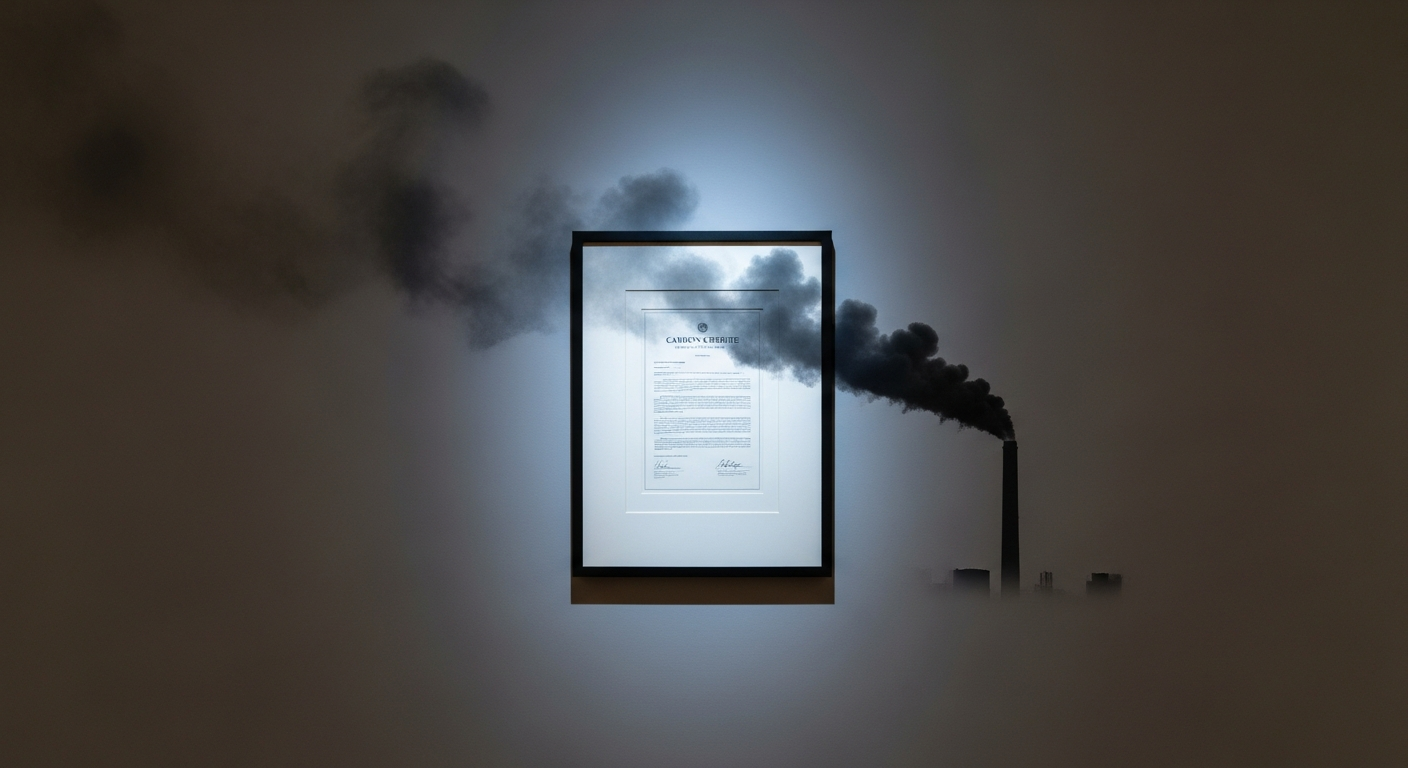
The Adults In Charge Of Climate Rules Keep Accidentally Cancelling Each Other Out
Nature Climate Change · 2026-03-15
Scientists ran a giant worldwide check to see how climate rules work together — and it turns out they often don't. Some rules help each other, like two people pushing the same direction. Others fight each other, like two people pushing opposite directions at the same time, going nowhere. Carbon pricing — where polluters have to pay money for releasing bad gases — is one of the rules that gets messed with the most by the other rules around it. The researchers found that which rules you put next to each other changes how well the whole thing works.
The takeaway
Governments have been writing climate rules without checking if the rules are in the same team.
Read the paper ↗
Climate & Earth Sciences
Most People Have Not Decided How They Feel About Climate Rules Yet
Nature Climate Change · 2026-03-15
Scientists surveyed people across 13 countries in Europe to find out who actually supports climate rules — things like using less energy or changing how you travel. They found that the most important group is not the people who love all the rules or the people who hate all the rules. It is the people in the middle, who support some rules but not others depending on what is being asked. That middle group, it turns out, is the one that decides whether climate policies actually happen.
The takeaway
Most of Europe has not picked a side, and that is somehow the most important fact about the whole situation.
Read the paper ↗
Neuroscience
Your Body Has A Secret Anti-Tumor Department And Scientists Just Found The Unlock Code
Neuron · 2026-07-12
Scientists gave mice a chemical called 6-OHDA — a drug that was already known for destroying certain nerve cells — and the tumors started shrinking. That part was not the plan. It turns out 6-OHDA makes cancer cells produce a signal called IFN-β, which is basically a distress flare that your immune system reads as "send backup." The backup that arrives is a special type of immune cell called an ISG+ macrophage — a kind of security guard that had been off-duty — and once those guards show up, they flip a switch that tells the rest of the immune system to go after the tumor. The nerve-killing part had nothing to do with it.
The takeaway
A drug that was supposed to destroy nerves accidentally activated a whole separate anti-tumor task force that no one knew was sitting there.
Read the paper ↗
Neuroscience
Systems Neuroscience
Your Eyes Have Been Sending Scrambled Messages To Your Brain This Whole Time
Biorxiv · 2026-03-25
Your brain gets signals from your eyes in two steps, and scientists wanted to know what happens if those signals get shuffled around between steps — like someone mixing up your homework before you hand it in. They scrambled letters in two different ways: once before the brain's first sorting stage, and once after. Turns out your brain handles the two types of scrambling differently. When the scrambling happened after the sorting stage, your brain was actually better at reading the letters than a neural network trained to do the exact same job.
The takeaway
Your brain is specifically good at reading messy-but-organized scrambles and nobody asked it to learn that.
Read the paper ↗
Neuroscience
Your Hand Was About To Do Something Dumb, So Your Brain Froze It
Journal of Neuroscience · 2026-03-21
When something unexpected happens — like a target moving right as you reach for it — your brain does not immediately update your hand. Instead, it hits pause on your whole arm for about 200 milliseconds, which is roughly the time it takes to blink. Scientists confirmed this by having people tap targets on a screen, then secretly moving the targets mid-tap. The hand froze every time, even when the change was just a random flash of light that had nothing to do with the task. By the time the freeze ended, your brain had already finished figuring out the new plan.
The takeaway
Your brain would rather stop your hand completely than let it do something it already knows is wrong.
Read the paper ↗
Neuroscience
Systems Neuroscience
Scientists Give People Nicotine Gum And Then Poke Them To See What Happens
Biorxiv · 2026-03-19
Your brain produces something called peak alpha frequency — PAF — which is basically a rhythm your brain hums to itself while it's doing nothing. Scientists already knew that this hum is connected to how much pain you feel. So they ran an experiment: give 62 adults nicotine gum, measure the hum, then apply heat and pressure to their bodies to see if the pain changed. The nicotine group felt slightly less heat pain than the group who got fake gum. Their brain hum also got a little faster. But when scientists checked whether the faster hum was *causing* the lower pain, the answer was no. The hum changed. The pain changed. Separately. For reasons that remain their own business.
The takeaway
Your brain's background hum and your pain levels both moved, but neither one told the other to do it.
Read the paper ↗
Neuroscience
Scientists Built An AI To Figure Out Why Your Brain Sometimes Just Stops Working
Nature Neuroscience · 2026-03-25
Your brain is supposed to be on at all times. When it isn't — like in a coma, or certain medical conditions — doctors have not always known why, or how to fix it. Scientists fed an AI a bunch of information about how consciousness works and told it to find the gaps. The AI found new reasons the brain can go offline, and also identified a specific part deep inside your brain — called the subthalamic nucleus — that, if you zap it correctly, might help turn things back on.
The takeaway
There is a small part of your brain that might be the power button, and we are only just finding this out now.
Read the paper ↗
Medicine & Health
Scientists Spent Two Years Getting People To Drink More Water And The Stones Came Back Anyway
The Lancet · 2026-03-21
Kidney stones are exactly what they sound like: tiny rocks that grow inside your body and then have to come out. Doctors already know that drinking more water helps stop new ones from forming, so scientists ran a two-year experiment where they reminded people to drink more fluids and tracked what happened. The people in the programme did produce more pee than the regular group. The stones, however, did not care.
The takeaway
Your kidneys are making gravel and drinking more water moved the needle on exactly one of those two things.
Read the paper ↗
Medicine & Health

Scientists Teach a Vaccine to Go Up Your Nose Instead of a Needle
Nature Medicine · 2026-03-17
You know how you get a shot and there's a needle and it's fine but also it's a needle? Scientists have been working on a vaccine you just sniff up your nose instead, no needle required. In mice, one sniff protected against a whole list of respiratory bacteria and viruses at the same time — not just one specific germ, but a broad range of them. Human trials have not started yet, but the mice are reportedly doing well.
The takeaway
Your nose, which you already use for breathing and smelling lunch, has been recruited as a vaccine delivery system.
Read the paper ↗
Astronomy & Astrophysics
Two Star Groups Found Inside A Cloud That Was Not Supposed To Have Stars
Nature Astronomy · 2026-03-15
Far outside the main part of the Milky Way, there is a giant cloud of gas drifting around called Complex H. Clouds like this are not supposed to make stars — that is not what they do. Scientists found two clusters of stars inside it anyway, sitting there like they had been there the whole time. The two clusters appear to have formed together, triggered by the same event, in a place where star formation was not on the schedule.
The takeaway
The universe has been making stars in the wrong place, and it did not ask anyone first.
Read the paper ↗
Biology
Evolutionary Biology
Scientists Run 16,000 Fake Experiments Because They Couldn't Decide Which Number Goes First
Biorxiv · 2026-03-18
When scientists study how living things evolved together, they use a method called PGLS — basically a math formula that compares two traits, like how fast bacteria grow and how many defense tools they carry. The problem: the formula gives different answers depending on which trait you put in the first slot versus the second slot. It's like getting different scores on the same test depending on whether you write your name on the left or the right. To figure out which slot each trait belongs in, researchers ran 16,000 computer simulations — fake evolutionary histories on fake family trees — and tested seven different rules for deciding. Four of the rules were basically useless. Three of them worked, and they all worked exactly the same amount.
The takeaway
Scientists ran 16,000 simulations to find out which number goes first, and the answer was: whichever one is weirder than expected.
Read the paper ↗
Biology
Evolutionary Biology
Scientists Mix Two Wildflowers Together And One Gets 281% Better At Being Alive
Biorxiv · 2026-05-24
There is a rare prairie flower that grows in small, separated groups across the landscape. Scientists took plants from different groups and crossed them — basically introduced them to each other — and measured what happened to the babies. In two out of three cases, the mixed-group babies were dramatically better at surviving and reproducing than the ones whose parents were from the same group. One population's offspring were 281% stronger in the field. The third population's offspring were basically fine, which is the least exciting result but still a result. Scientists measured this across seeds, germination, and two full growing seasons, in both a greenhouse and an actual field.
The takeaway
Your survival stats go up when your parents are from different servers.
Read the paper ↗
Medicine & Health
Scientists Confirm That Being Scared All The Time Is Bad For Kids
NEJM · 2026-03-17
Doctors published a study in a major medical journal about what happens to kids' health when immigration enforcement — the kind where officials show up and take people away — is happening all around them. The findings were significant enough that the journal put it in print. Your body, it turns out, keeps track of whether the adults around you are afraid. It does this whether you want it to or not.
The takeaway
Your body has been filing stress reports on your behalf this whole time without telling you.
Read the paper ↗
Chemistry
Biochemistry
Your Cells Have A Shredder And Some Proteins Have Learned To Fix Themselves Before They Get Shredded
Biorxiv · 2026-03-19
Your body destroys proteins it doesn't want by tagging them with a tiny label called ubiquitin — like putting a sticky note on something that says "throw this away." Scientists built a special system to test whether a group of proteins called DUBs could be destroyed this way. The problem is that DUBs are basically the guys whose job is to rip those sticky notes off — so some of them just remove the label before the shredder arrives. Others don't bother removing the label, but the shredder still can't deal with them for reasons scientists are currently staring at.
The takeaway
Some proteins in your body have figured out how to survive the trash system by erasing their own "throw this away" notes.
Read the paper ↗
Chemistry
Biochemistry
The Bacteria Trying To Kill You Has Been Stealing Snacks From Your Cells This Whole Time
Biorxiv · 2026-03-18
Tuberculosis is a disease caused by a bacteria called Mycobacterium tuberculosis, and it kills over a million people every year. Scientists studying how it survives inside your body found something: the bacteria runs a whole import operation, using special protein machines called Mce complexes to pull fat and cholesterol out of your cells and eat it. These machines need helper proteins — called Mam proteins — to work properly, and researchers just figured out how four of them (Mam1A, 1B, 1C, and 1D) lock together into a team and connect to another helper called LucA. They used giant X-ray and neutron beams to figure out the shape of Mam1A, which turns out to be four copies of the same protein clipped together with what are basically tiny molecular staples.
The takeaway
The bacteria hiding in your lungs has a fully staffed loading dock for stealing your fat.
Read the paper ↗
Astronomy & Astrophysics
Scientists Spent Years Mapping the Moon So Humans Can Go Stand on It
Nature Astronomy · 2026-03-15
The Moon has a region called Rimae Bode, and scientists have decided it is one of the best places for China to land people on the Moon for the first time. Using cameras on spacecraft orbiting the Moon — because nobody has actually gone there yet — researchers mapped out four different types of ground in the region. Some of it is leftover from ancient volcanoes. Some of it is from rocks smashing into the Moon at very high speed for billions of years. If astronauts land there, they can pick up pieces of both and use them to figure out what the Moon is made of on the inside, which the Moon has not volunteered this information on its own.
The takeaway
The Moon has been sitting there full of information this whole time and nobody has picked it up yet.
Read the paper ↗
Climate & Earth Sciences
Some Climate Rules Are Fighting Each Other And Nobody Told The Climate
Nature Climate Change · 2026-03-15
When governments try to fix the climate, they make a bunch of different rules at the same time — like carbon taxes, clean energy laws, and emissions limits. Scientists ran a giant comparison across countries to check if all those rules work together. Turns out, some rules team up and get more done than either one could alone. Others just get in each other's way, like two people trying to walk through the same door at the same time. The part that makes this complicated: which rules fight and which rules team up depends on what country you're in.
The takeaway
The rules meant to fix the same problem have been cancelling each other out this whole time.
Read the paper ↗